
Spine Surgery Plano TX and Sherman, Texas
Spine surgery in Plano and Sherman, Texas with Dr. Abdul A. Baker, Texas Spine Consultants
Dr. Abdul A. Baker is a neurosurgeon who performs spine surgery for patients in Plano, Sherman, and the surrounding North Texas region. Most back pain and neck pain problems are treated without surgery first, and Dr. Baker recommends an operation only when non-surgical care has not been enough or when there is a risk to the nerves or spinal cord. To schedule a consultation, call (469) 947-7463 or use the online appointment request form at drbakerneurosurgery.com.
Our offices are located at 555 Republic Dr, Suite 100, Plano, TX 75074 and 600 East Taylor Street, Suite 308, Sherman, TX 75090. Patients can choose whichever location is closer to their current location.
This page explains when spine surgery is considered, which conditions and procedures Dr. Baker handles, and what to expect before and after surgery. If you have been living with ongoing back, neck, or nerve symptoms and are unsure whether you need a surgical opinion, you are welcome to call (469) 947-7463 or request an appointment at either office.
Request an Appointment
Which spine conditions does Dr. Baker treat?
Dr. Baker treats common and complex problems of the neck, mid-back, low back, and nerves - from herniated discs and spinal stenosis to spinal deformity and brain and spinal cord tumors that may require surgical intervention.
Many patients are referred by their primary care doctor or pain management physicians after trying physical therapy, injections, or chiropractic care, but self-referrals are also welcome.
Degenerative and disc-related spine problems
"Degenerative" means age-related wear and tear of spinal discs and joints. Degenerative disc disease is the breakdown of spinal discs causing chronic pain, and it is one of the most common reasons patients visit our offices. Conditions in this category include:
- Herniated disc in the neck (cervical) or low back (lumbar) - a herniated disc occurs when the soft center of a spinal disc pushes through a tear in the outer layer
- Bulging discs causing nerve compression and sciatica
- Degenerative disc disease with chronic back or neck pain
- Facet joint arthritis in the spine
- Recurrent disc problems after a prior surgery
Spinal stenosis, instability, and deformity
pinal stenosis is a narrowing of the spinal canal that can cause pain when walking, leg heaviness, or arm symptoms. Instability refers to bones slipping or moving abnormally, as in spondylolisthesis - when one vertebra slips over another, causing nerve compression. Conditions treated include:
- Lumbar and cervical spinal stenosis causing leg or arm symptoms
- Spondylolisthesis
- Kyphosis (forward-bent spine) and scoliosis (curved spine) in adults - spinal deformities like scoliosis can threaten neurological function when severe
- Post-traumatic deformity after fracture or prior surgery
- Failed back or neck surgery that still causes pain or weakness
These problems may lead to discussions about spinal fusion, spinal reconstruction, or kyphosis and scoliosis surgery when other measures are not enough.
Nerve, spinal cord, and structural problems
Dr. Baker also treats conditions affecting the spinal cord, nerve roots, and nearby structures:
- Pinched nerves in the neck or low back causing arm or leg pain, numbness, or weakness
- Spinal cord compression in the neck (cervical myelopathy) with problems walking or using hands
- Spine and spinal cord tumors or cysts
- Chiari malformation requiring decompression surgery
- Pelvic and sacroiliac pain related to SI joint problems
Related procedures include minimally invasive spine surgery, spinal reconstruction, and SI joint fusion.
Do I need spine surgery?
Most patients with back or neck pain do not need surgery. Dr. Baker recommends an operation only when symptoms and imaging match, and non-surgical options have been tried or are not appropriate. Spine surgery is considered when structural problems compress nerves or cause chronic pain that has not responded to conservative treatment.
The decision is based on your symptoms, physical exam, MRI or CT findings, and how much the problem is affecting your daily life and safety.
When spine surgery may be considered
Surgery is usually considered when pain or weakness persists despite conservative care, or when there is a risk of permanent nerve or spinal cord damage. Common reasons for spine surgery include herniated discs, spinal stenosis, and vertebral fractures. Specific situations include:
- Severe arm or leg pain from a herniated disc that has not improved with medications, physical therapy, or injections
- Progressive weakness, numbness, or trouble walking due to nerve or spinal cord compression
- Loss of bowel or bladder control, or very rapid change in function - these are emergencies that need urgent evaluation
- Spinal instability, deformity, or fracture that threatens the spinal cord or nerves
- Spine tumors, infections, or other structural problems that cannot be treated safely without surgery
Each case is evaluated individually. Dr. Baker discusses the expected benefits, risks, and other options during the visit.
When surgery is usually not the first step
Many episodes of back and neck pain improve with time and non-surgical care:
- Recent onset back pain without leg symptoms or red-flag signs
- Mild to moderate disc bulges that are improving with therapy or rest
- Muscle strain, sprain, or posture-related pain
- Degenerative changes on MRI that do not match the pain pattern
Non-surgical treatments that may be tried first include physical therapy, activity changes, medications, supervised injections, and home exercises.
Which spine operations does Dr. Baker perform?
Dr. Baker performs a range of neck and back procedures, from small decompressions to complex spinal reconstruction, choosing the procedure that fits the specific condition. He offers minimally invasive, robotic, and traditional open techniques depending on the case. Both orthopedic spine surgeons and neurosurgeons can perform spinal procedures, and it is important to check a spine surgeon's board certification and fellowship training. Surgeons with substantial experience in specific procedures may provide better outcomes.
Herniated disc and nerve decompression procedures
Decompression means creating more space for nerves or the spinal cord. Spine surgery treats herniated and bulging discs, and minimally invasive spine procedures can treat herniated discs and spinal stenosis. Key decompression operations include:
- Discectomy and microdiscectomy - removing the disc fragment pressing on a nerve, often for lumbar or cervical herniated disc
- Laminectomy and laminotomy - removing part of the bone roof to relieve pressure in spinal stenosis
- Foraminal decompression - widening the openings where nerves exit the spine
These surgeries may be done through minimally invasive approaches when appropriate, and minimally invasive techniques minimize tissue damage during surgery.
Spinal fusion and spinal reconstruction
Spinal fusion joins two or more vertebrae to stabilize the spine and reduce painful motion. Spinal fusion is a common procedure for spine surgery. Procedures in this category include:
- Spinal fusion for spondylolisthesis, instability, or recurrent disc problems - surgery can address lumbar stenosis and spondylolisthesis
- Spinal reconstruction for significant deformity, kyphosis, or scoliosis - complex reconstructions are performed at the practice, and spinal reconstruction is a service offered in Plano, TX
- SI joint fusion when the sacroiliac joint is a major source of pain
Fusion may be combined with decompression, and hardware like screws and rods may be used.
Motion-preserving and minimally invasive spine surgery procedures
Some surgeries aim to treat the problem while keeping more natural movement and using smaller incisions when possible. Minimally invasive surgery reduces recovery time compared to traditional methods:
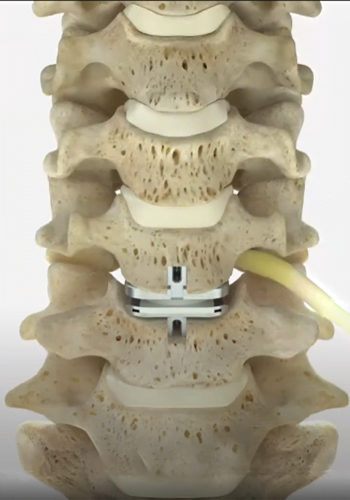
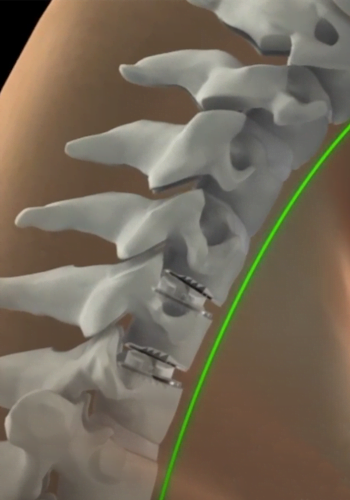
- Artificial disc replacement in the neck or low back as an alternative to fusion in selected patients - artificial disc replacement is available for spine surgery
- Minimally invasive spine surgery using smaller incisions and specialized instruments - advanced imaging technology enhances minimally invasive surgical precision
- Robotic spine surgery to help with planning and placing hardware, when appropriate
Not every patient is a candidate for motion-preserving or minimally invasive options. Dr. Baker reviews this during your consultation.
Other spine and related procedures
Dr. Baker also performs surgeries for specific structural or nerve problems:
- Kyphosis and scoliosis surgery for significant spinal curvature in adults - kyphosis and scoliosis surgeries are performed by specialists
- ACDF (anterior cervical discectomy and fusion) for neck disc disease and spinal cord compression
- Kyphoplasty or similar procedures for certain painful vertebral compression fractures
- Peripheral nerve surgery for selected nerve entrapments outside the spine
- Chiari malformation decompression when spine-related fluid or pressure problems are present
Some conditions may be managed in stages or with combined procedures, depending on severity.
Minimally invasive or open spine surgery: how is the choice made?
The choice between minimally invasive and open surgery depends on the diagnosis, the number of levels involved, body type, prior surgeries, and overall health. "Minimally invasive" refers to smaller incisions and muscle-sparing approaches - it does not describe the seriousness of the condition.
When minimally invasive spine surgery may be used
Dr. Baker uses minimally invasive techniques when they allow safe, effective treatment:
- Single-level lumbar microdiscectomy for a herniated disc
- Certain cases of lumbar spinal stenosis needing limited decompression
- Some fusions involving one or two levels with good bone quality
- Potential benefits can include smaller incisions, less muscle disruption, and possibly a shorter hospital stay, but risks still exist with any surgical procedure
When an open approach may be safer
Open surgery may be recommended for complex or multi-level problems, or when prior operations have changed the anatomy:
- Large deformity corrections such as major scoliosis or kyphosis
- Multi-level fusion and spinal reconstruction
- Extensive tumors, infections, or trauma involving multiple areas
The goal is to choose the safest approach that addresses the problem fully, rather than to force a particular technique.
How Dr. Baker explains your options
During consultation, Dr. Baker reviews imaging and exam findings, then walks through both minimally invasive and open options when they apply. Decision factors he discusses with patients include symptom relief goals, stability needs, recovery expectations, and existing medical conditions. Patients are encouraged to ask questions and take time to decide whenever the situation is not an emergency.
Where does Dr. Baker operate?
Dr. Baker sees patients at our Plano and Sherman offices and operates at local hospitals or surgery centers in North Texas. He will tailor the treatment to each patient's situation, smaller outpatient procedures may be done in an ambulatory surgery setting, while larger fusions and reconstructions are performed in hospitals with overnight care. Plano, Texas, is a hub for advanced spine care and orthopedic surgery.
Office locations for consultations
Both offices are available for clinic visits, imaging review, and follow-up appointments:
- Plano office: 555 Republic Dr, Suite 100, Plano, TX 75074
- Sherman office: 600 East Taylor Street, Suite 308, Sherman, TX 75090
Phone: (469) 947-7463. Patients can choose the location that is more convenient for them.
How much does spine surgery cost, and does insurance cover it?
Cost is an important concern. Total charges depend on the type of surgery, length of stay, and the facility where it is performed. Many patients use health insurance, but coverage, deductibles, and co-pays vary by plan.
Factors that affect the cost of spine surgery
Surgery involves multiple bills: surgeon, anesthesia, facility, and sometimes implants or imaging. Key cost drivers include:
- Type of procedure (for example, microdiscectomy versus multi-level spinal fusion)
- Outpatient surgery center versus inpatient hospital stay
- Length of surgery and number of spine levels treated
- Need for additional care such as ICU monitoring or rehabilitation
Insurance and payment questions
Our practice works with many insurance plans, but patients should call the office to confirm whether their plan is accepted. Prior authorization is often required for spine surgery in Texas, and our team helps submit medical records and documentation when needed. If you are without insurance or have a high deductible, ask about payment options or financial counseling at the hospital or surgery center.
What happens at a first spine consultation in Plano or Sherman?
The first visit focuses on listening to your symptoms, reviewing prior tests, and deciding whether more conservative care or surgery should be considered. Patients can be seen in either Plano or Sherman, and visits follow a similar pattern at both offices.
Before your appointment
- Bring prior imaging (MRI, CT, X-rays) and reports if available
- List current medications, allergies, and previous surgeries
- Write down questions or goals for the visit (for example, "Can I avoid surgery?")
Referring doctors or providers can send records directly to the office as well.
During the visit
- Discussion of symptoms, how long they have been present, and what makes them better or worse
- Review of medical history, prior treatment, and imaging
- Physical and neurologic exam focusing on strength, reflexes, walking, and sensation
- Explanation of findings in plain language, often using models or images
- Discussion of options: continued non-surgical care, further testing, or possible surgery
Patients are encouraged to involve a family member or friend if they wish, to help remember information and ensure every question is answered.
After the visit
You leave with a clear plan, which may include physical therapy, pain management, additional imaging, or scheduling surgery. The office staff coordinates follow-up appointments and pre-operative testing if surgery is chosen. Contact us at (469) 947-7463 with any questions after your appointment.
What is recovery like after spine surgery?
Recovery time varies from weeks to months after surgery, depending on the type of operation, overall health, and the kind of work or activities you plan to return to. Every surgery carries risks such as infection, bleeding, nerve injury, and the possibility that pain may not fully improve; these are discussed in detail before any procedure.
Hospital stay and going home
- Many small decompression and minimally invasive procedures may be same-day or require one night in the hospital, while larger fusions often need a longer stay
- Patients usually start to walk with help on the same day or the day after surgery, if medically safe
- Pain control plans may include medications, ice, bracing, and gradual activity
[DR BAKER TO CONFIRM: typical length of stay guidance by procedure group]
Activity, work, and physical therapy
Movement is increased step by step, and heavy lifting or twisting is restricted for a period after most spine operations:
- General time frames for returning to light desk work versus manual labor vary - often within a few weeks for small procedures, longer after multi-level fusion
- Physical therapy is often required post-surgery for recovery, helping rebuild strength, flexibility, and posture
- Walking programs and safe daily activities are encouraged early in recovery
- Patients may experience pain relief within weeks after surgery, though full functional recovery takes longer
- Driving, travel, and sports are cleared individually based on healing and follow-up exams
Follow-up and long-term expectations
Follow-up appointments are crucial for monitoring recovery progress. Visits at our Plano or Sherman office are used to check incision healing, review any new imaging, and adjust activity limits:
- Several visits in the first few months, then less often as recovery continues
- Not smoking and managing conditions like diabetes support bone healing after fusion
- Signs that should prompt an earlier call: fever, wound problems, new weakness, or loss of control of bladder or bowels
Our team aims to support patients through the full journey of recovery, not just the day of surgery.
Who is Dr. Abdul A. Baker?
Dr. Abdul A. Baker is a neurosurgeon who specializes in spine and nerve surgery for adults in Plano, Sherman, and North Texas. Dr. Abdul A. Baker is certified by the American Board of Neurological Surgery.
Training and spine surgery background
- Medical degree from Wright State University
- Internship at Cleveland Clinic/Fairview Hospital
- Neurosurgery residency and chief residency at the University of Louisville
- Dr. Baker completed a complex spine fellowship at the University of Louisville
- Dr. Baker also completed a spine and peripheral nerve fellowship at Johns Hopkins
- Member of the American Association of Neurological Surgeons, the Congress of Neurological Surgeons, the American College of Surgeons, and the North American Spine Society
Dr. Baker's approach to patient care
Dr. Baker's approach to personalized care includes:
- Listening carefully to each patient's story and goals
- Explaining imaging and diagnoses in everyday terms so that you feel understood
- Starting with non-surgical care when reasonable and reserving surgery for when it is likely to help and other options have been tried or are not suitable
Every page on this website is medically reviewed by Dr. Baker before it is published, reflecting his direct involvement in patient education and his knowledge of the conditions discussed.
Next steps: schedule a spine evaluation in Plano or Sherman
If you have ongoing back, neck, or nerve symptoms and are unsure about surgery, you can schedule a consultation to review your options. Call (469) 947-7463 to request an appointment at either our Plano or Sherman office.
Whether you are looking for a second opinion or a first surgical opinion, making time for an evaluation can help you make an informed decision about your spine care and take the next step toward a life with less pain.


Dr. Baker specializes in neurosurgery, neurosurgical spine surgery, neurotrauma, brain tumors, spinal tumors, and peripheral nerve damage treatment.